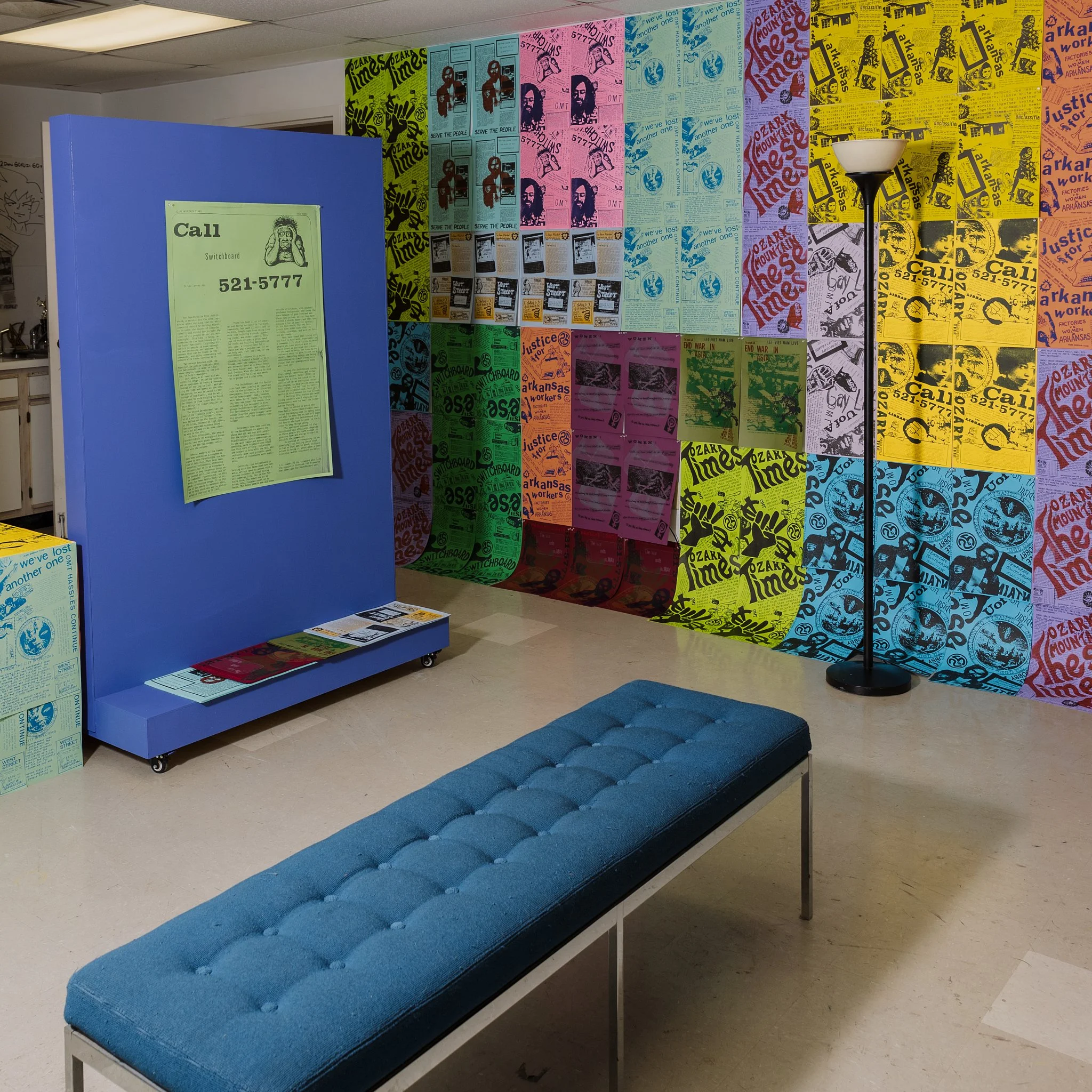
Solo exhibition
Front/Space, Kansas City, MO
documentation : Max Wagner
July 2018
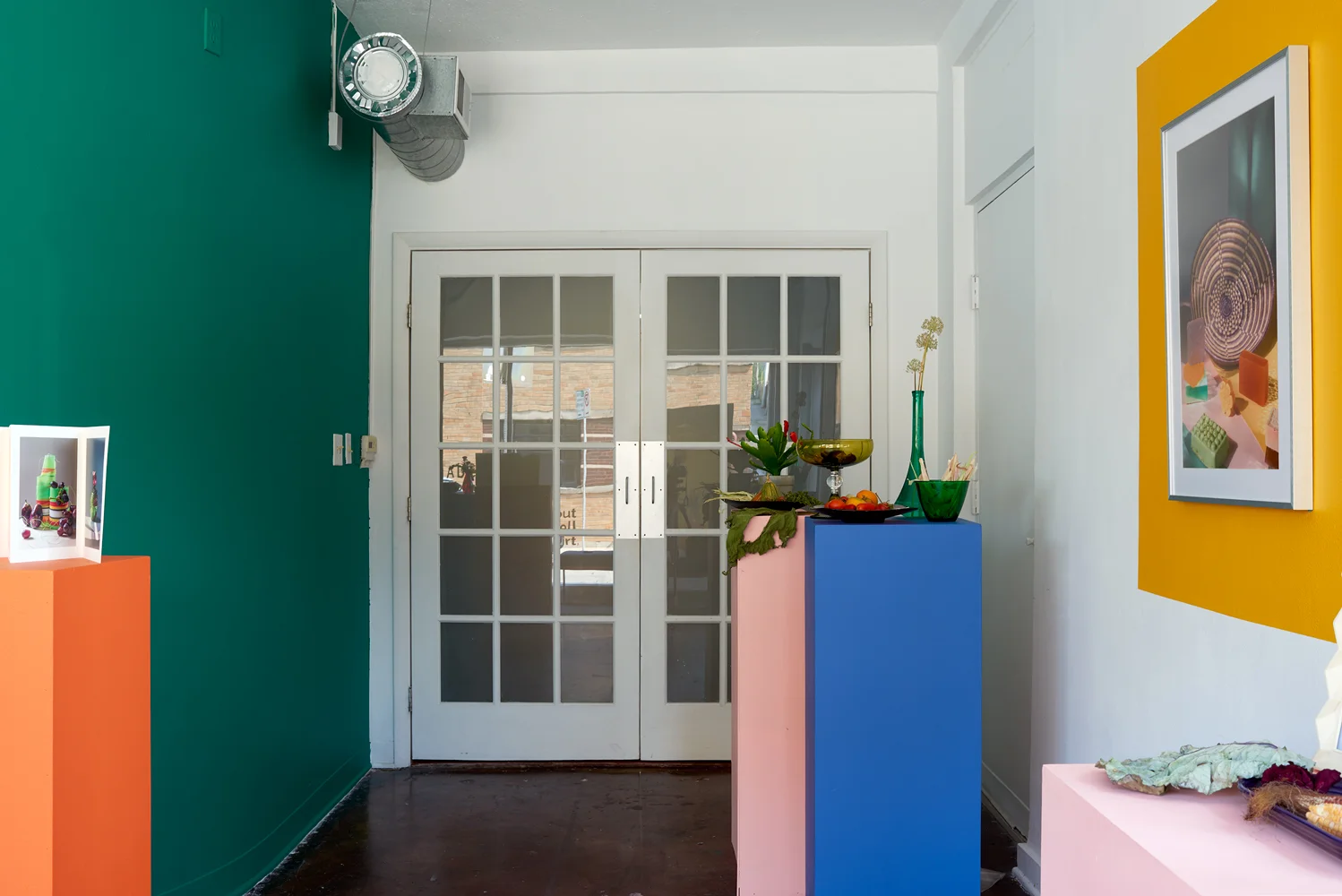
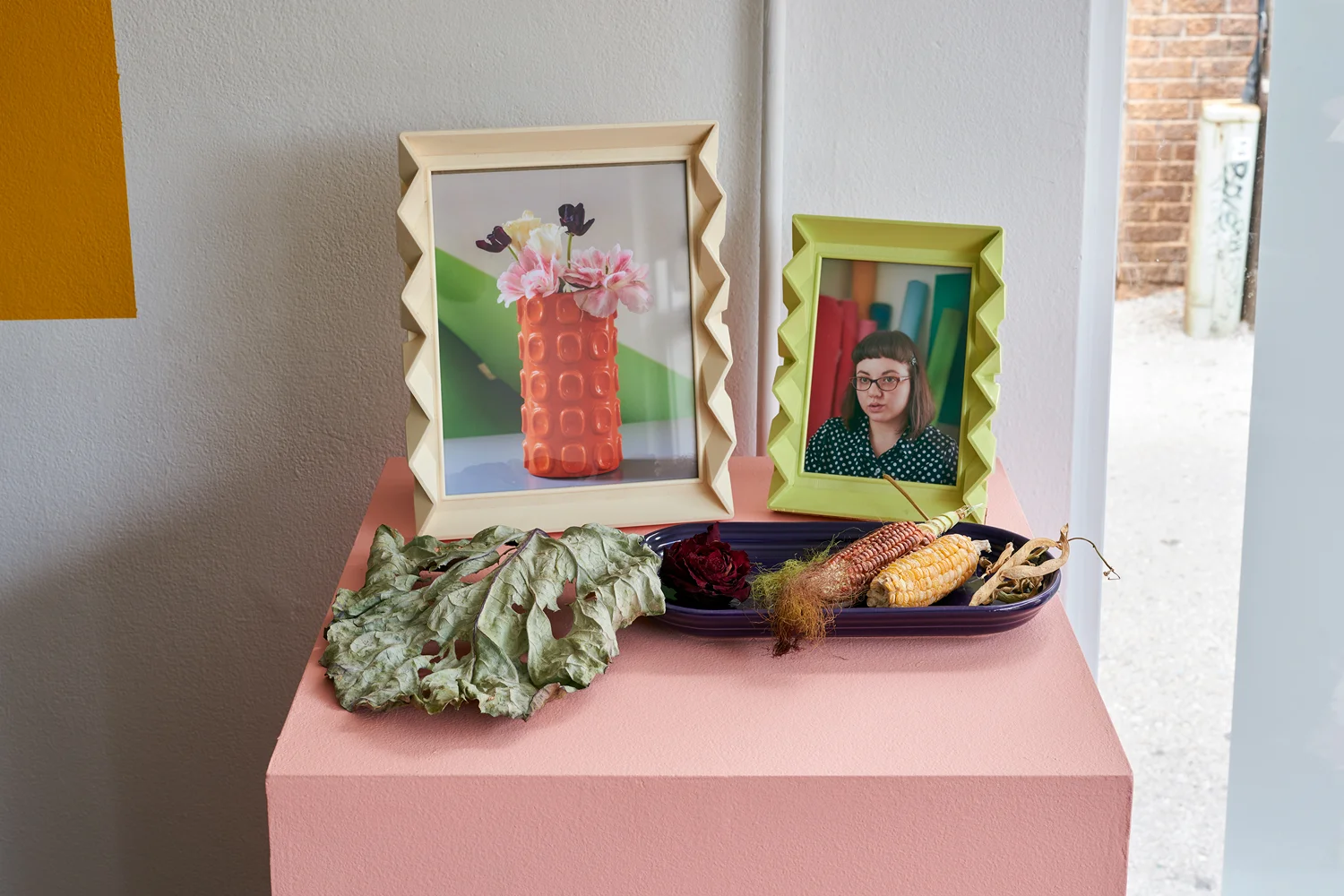
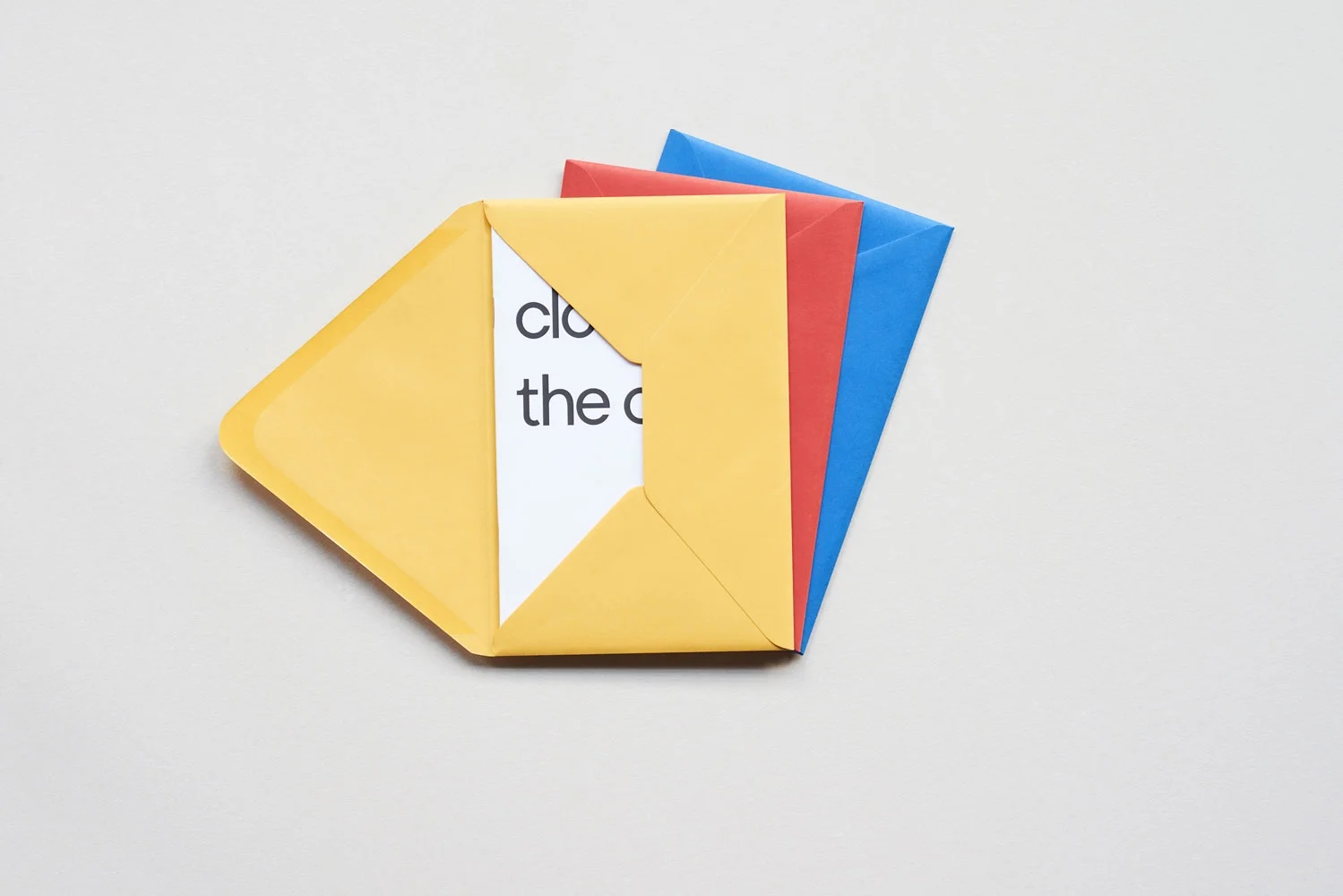
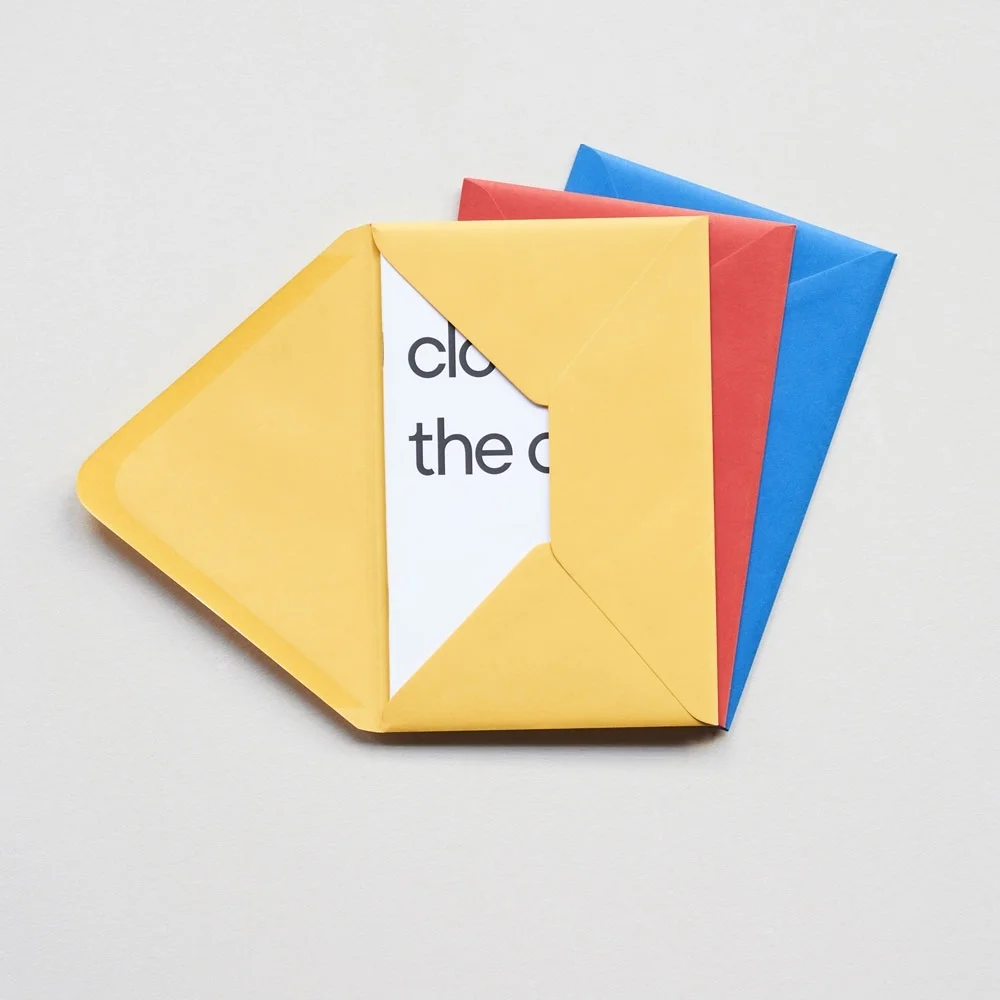
“Megan uses the interior and exterior of Front/Space as a ‘book/space’, creating elliptical narratives through photography, poetry, small books, objects, and food. Megan’s new work negotiates flawed retro-futuristic optimism, family history, care, and future growth.”
Press
I.
I have the benefit of an intimate knowledge of Front/Space and its quirks. I’ve torn down its walls, spent my office hours, eaten my lunch, and learned its light. It became for my collective a temporary headquarters, and for me an almost sacred third space. It is only because of my access, for a time, to Front/Space, that my personal artwork has taken its current direction. My hope is that this exhibition can be an opportunity to fully realize some experiments that began with the radical transformation that Front/Space made to my brain.
II.
Logic is perhaps connected to my pleasure centers, it begs for closed circuits and satisfying ellipses. In my art this relates to the kinds of narratives I build in books. Books themselves are objects meant to be visited again and again. In my continued examination of Front/Space I began to think of it as a book. A spine and two windows spread, a cover : a view from outside in, a curve : a turning page. This process of discovery and decision making contingent on architectural details is a unique solution for me, as it has been some years since I considered my work for ‘the wall’ or in the confines of ‘gallery space’. Front/Space posits the challenge of its unique architecture, the attention to which is key to the success of an exhibition there.
III.
“I am occupied with seeing clearly.. as a way to render recognizable from one time to another, the hieroglyphs I have met.”
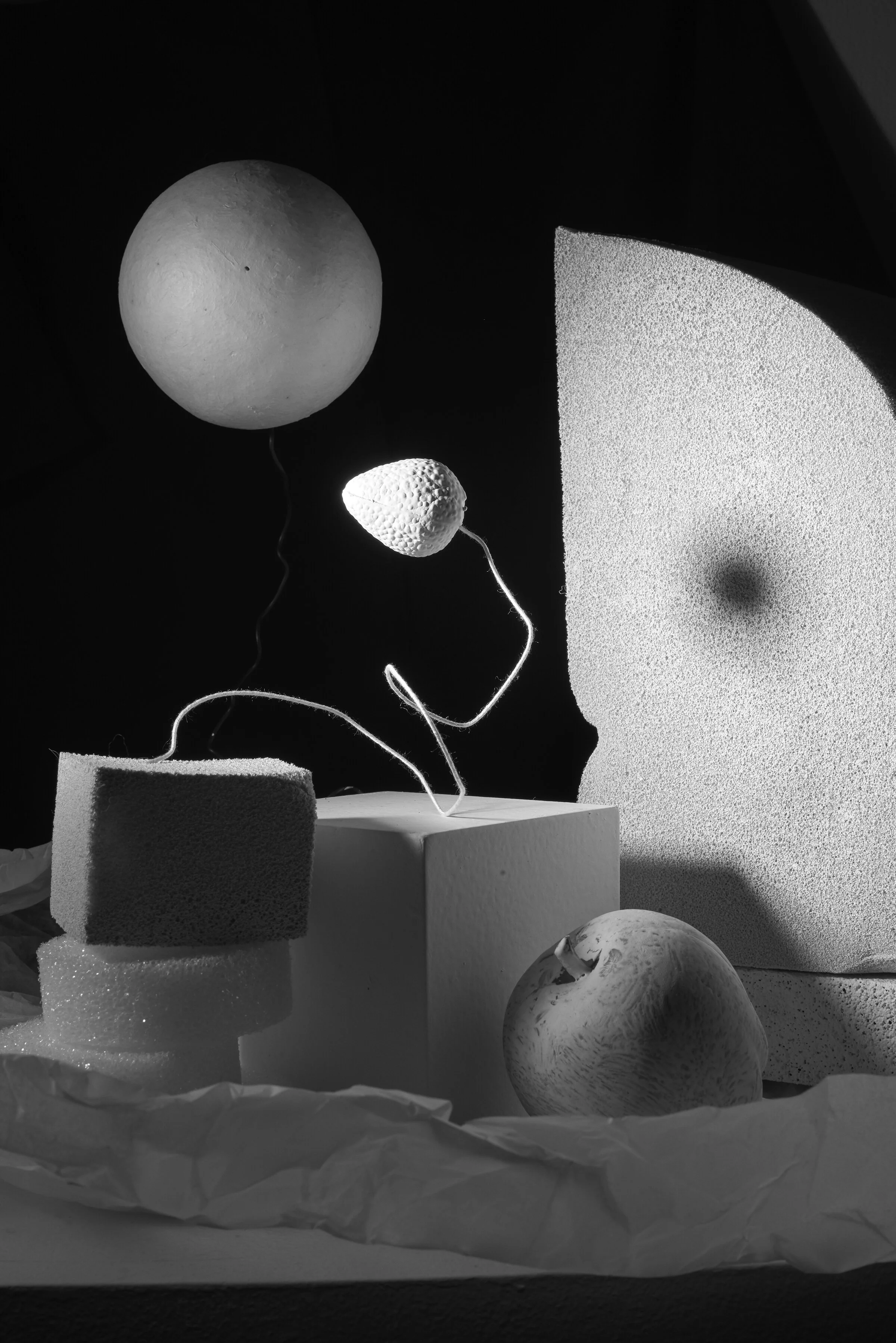
The photographs themselves and the act of making them serve as a kind of translation. They are a search for knowledge, as I continue to wade into oceans of images as a human, artist, educator, and organizer so focused on pictures in this media-obsessed moment and culture. My photographs unpack photographs. They are a type of indeterminateness, containing only the visible part of an omission. They are an invitation to see what they do not themselves contain, a world and the ‘real’ just outside of the frame.
IV.
My recent photographs are not all, but mostly, of food. This is largely colored by my experience on government assisted food programs despite deep family roots to subsistence and agricultural work. My living family is now conditioned (and their ancestors forced), to make due with surplus, byproducts, things preserved, artificial, mineral enriched, and deemed consumable. Even on the least eventful days of my current life, the ability to grow, consume, and access fresh food is the most beautiful joy and privilege. Photographing food (fresh or artificial) has become more cathartic than I could have anticipated. I can find a loving kind of humor in it, and share some recognition that what we eat is inextricably linked to the spaces we occupy in the world.
Food is never silent.
V.
As an artist / consumer / collector with occasional time and little money, I am accustomed to most things in my life being second-hand. My home is a collection of gifted scraps and inexpensive second-hand objects. Most of these objects are chosen based on vague mental images of how they might look as a photographs. My collections are filled with decorative objects that contain optimistic views of the future. They are soothsayers and divining objects, and I have genuine affection for their present, imperfect forms. I use my camera to evade nostalgia towards these divining/decorative objects by describing their physical imperfections with care, and anticipating my own future marked by their flawed predictions.
VI.
The language, clarity, and capabilities of my camera are (at this point) a hallmark of advertising photography, pulling this work deeper into the commingling desires of non-artist-consumers and my own.